
Home > Products > Kitchen Mat
Kitchen Mat: Comprehensive Product Category Description
Page Introduction: An Overview of Kitchen Mat
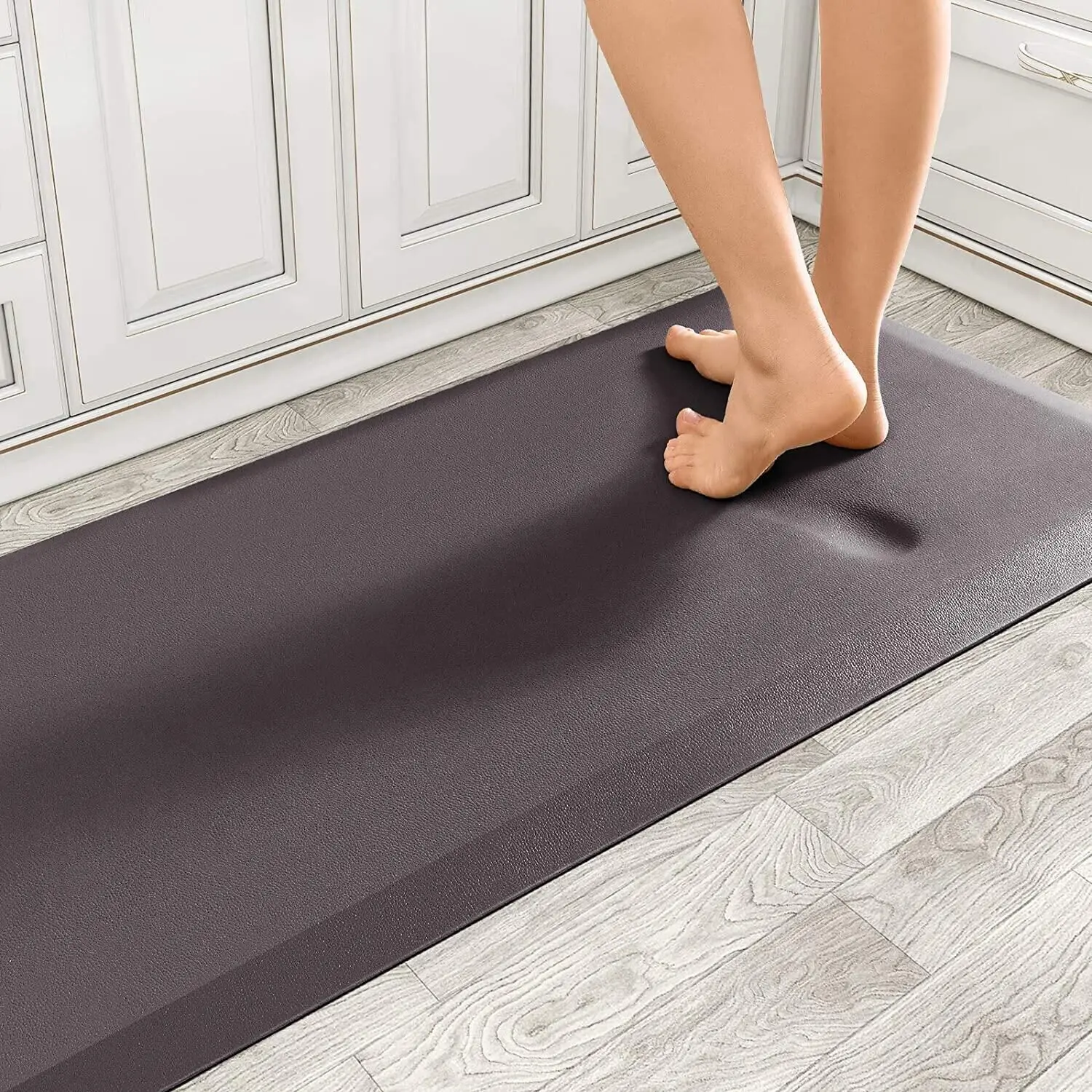
In the busy and functional space of a kitchen, the Kitchen Mat stands as an essential and multi-functional product that combines practicality, safety, and aesthetic appeal. A Kitchen Mat is a specialized mat designed exclusively for kitchen use, crafted to address the unique challenges of this high-traffic, spill-prone environment. Unlike ordinary mats, it is engineered to withstand frequent foot traffic, resist stains from food and beverages, absorb moisture, and provide comfort during long hours of standing while cooking or cleaning. Placed in key areas such as in front of the sink, stove, or kitchen island, a Kitchen Mat not only enhances the safety and comfort of the kitchen but also adds a touch of style to the space, making it a must-have for modern households and commercial kitchens alike.
The Kitchen Mat category has evolved into a diverse product system, tailored to meet the varied needs of different kitchen settings and user preferences. From anti-fatigue Kitchen Mats that ease muscle strain for home cooks to heavy-duty commercial Kitchen Mats that withstand the rigors of restaurant kitchens, from water-resistant Kitchen Mats ideal for sink areas to heat-resistant options for stove-side use, each type of Kitchen Mat boasts unique performance attributes. Materials range from soft memory foam and durable PU, ensuring there is a Kitchen Mat suitable for every kitchen style—whether it’s a sleek modern kitchen, a cozy country kitchen, or a professional commercial kitchen. For home users, a stylish Kitchen Mat can complement cabinet colors or backsplash designs, while commercial users prioritize durability and easy maintenance in their Kitchen Mat choices.
What sets the Kitchen Mat apart from other household mats is its ability to address the specific pain points of the kitchen environment. Kitchens are prone to water spills, oil splatters, and food debris, and the Kitchen Mat’s absorbent and stain-resistant properties prevent these from causing slips or damaging the floor. Additionally, the kitchen often requires prolonged standing, and anti-fatigue Kitchen Mats with cushioning properties reduce pressure on the feet, knees, and lower back, making cooking and cleaning more comfortable. With the growing emphasis on kitchen safety and comfort, the Kitchen Mat category continues to innovate, integrating features like anti-microbial treatment, non-slip backing, and customizable designs to cater to the evolving needs of consumers.
Core Advantages: Why Choose Kitchen Mat?
1. Superior Safety: Prevents Slips and Protects Floors
Safety is the top priority in any kitchen, and the Kitchen Mat excels in providing a secure environment by preventing slips and protecting kitchen floors. Kitchens are inherently wet environments—water from washing dishes, oil splatters from cooking, or condensation from refrigerators can create slippery surfaces that pose a significant fall risk. A high-quality Kitchen Mat addresses this by featuring a non-slip backing, typically made of rubber or latex, which adheres firmly to the floor and prevents the mat from shifting even when wet.
Beyond slip prevention, the Kitchen Mat also plays a crucial role in protecting kitchen floors from damage. Kitchen floors, whether made of hardwood, tile, or vinyl, are vulnerable to scratches from heavy pots and pans, stains from oil and food spills, and heat damage from hot cookware. Placing a Kitchen Mat in high-risk areas acts as a protective barrier. For example, a Kitchen Mat in front of the stove can shield the floor from oil splatters that are difficult to clean and may discolor the surface. A Kitchen Mat under the sink can absorb water drips, preventing water damage to hardwood floors or mold growth under tiles. Additionally, the Kitchen Mat can withstand the impact of dropped utensils, reducing the chance of floor cracks or chips. This protective function extends the lifespan of kitchen floors, saving homeowners and commercial kitchen operators significant repair and replacement costs.
2. Anti-Fatigue Comfort: Reduces Strain During Prolonged Standing
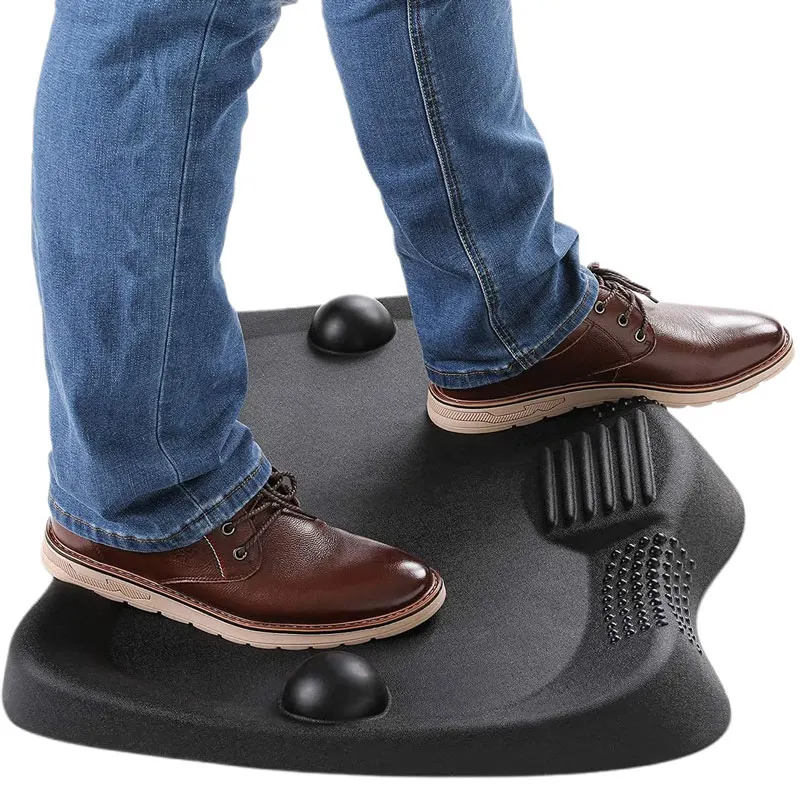
One of the most valued advantages of the Kitchen Mat is its anti-fatigue properties, which provide much-needed comfort during the long hours of standing required in the kitchen. Whether preparing meals, washing dishes, or cleaning countertops, home cooks and professional chefs often spend 1-2 hours or more standing in the same spot, leading to tired feet, sore knees, and lower back pain. Anti-fatigue Kitchen Mats are engineered to alleviate this strain by incorporating cushioning materials like memory foam, gel, or high-density rubber that conform to the shape of the feet and distribute body weight evenly.
The cushioning effect of these Kitchen Mats works by reducing the pressure on the foot’s pressure points, improving blood circulation, and easing muscle tension. For example, memory foam Kitchen Mats contour to the feet when stepped on, providing personalized support, and bounce back to their original shape when pressure is removed, ensuring long-lasting comfort. Gel-infused Kitchen Mats offer an extra layer of support, with the gel absorbing shock and reducing fatigue even more effectively than traditional foam. Commercial kitchens, where chefs stand for 8 hours or more per shift, often invest in heavy-duty anti-fatigue Kitchen Mats to improve staff comfort and reduce the risk of work-related injuries. For home users, especially those with arthritis or joint pain, an anti-fatigue Kitchen Mat can transform the cooking experience, making it more enjoyable and less physically taxing.
3. Stain and Water Resistance: Easy to Clean and Maintain
Kitchens are messy spaces, and the Kitchen Mat’s ability to resist stains and water, coupled with easy maintenance, makes it an indispensable product. Unlike ordinary mats that absorb stains and require frequent replacement, high-quality Kitchen Mats are made from materials that repel oil, food, and beverage spills. For example, polypropylene Kitchen Mats have a non-porous surface that prevents liquids from seeping in, making it easy to wipe away spills with a damp cloth. Rubber Kitchen Mats are also highly stain-resistant, and oil or sauce spills can be cleaned off with soap and water without leaving a trace.
Water resistance is another key feature of the Kitchen Mat. Mats placed in front of the sink or dishwasher are constantly exposed to water, and a water-resistant Kitchen Mat absorbs moisture quickly, preventing it from pooling on the floor and causing slips or water damage. Many Kitchen Mats also have a raised edge or beveled design that contains spills, keeping liquids within the mat and making cleanup even easier. Maintenance of Kitchen Mats is simple—most can be vacuumed to remove crumbs and dry debris, wiped with a damp cloth for minor spills, This ease of cleaning saves time and effort, especially for busy households and commercial kitchens where hygiene is a top priority. Additionally, many Kitchen Mats are treated with anti-microbial agents that prevent the growth of bacteria, mold, and mildew, ensuring a clean and hygienic kitchen environment.
4. Versatile Styles and Customization: Enhances Kitchen Aesthetics
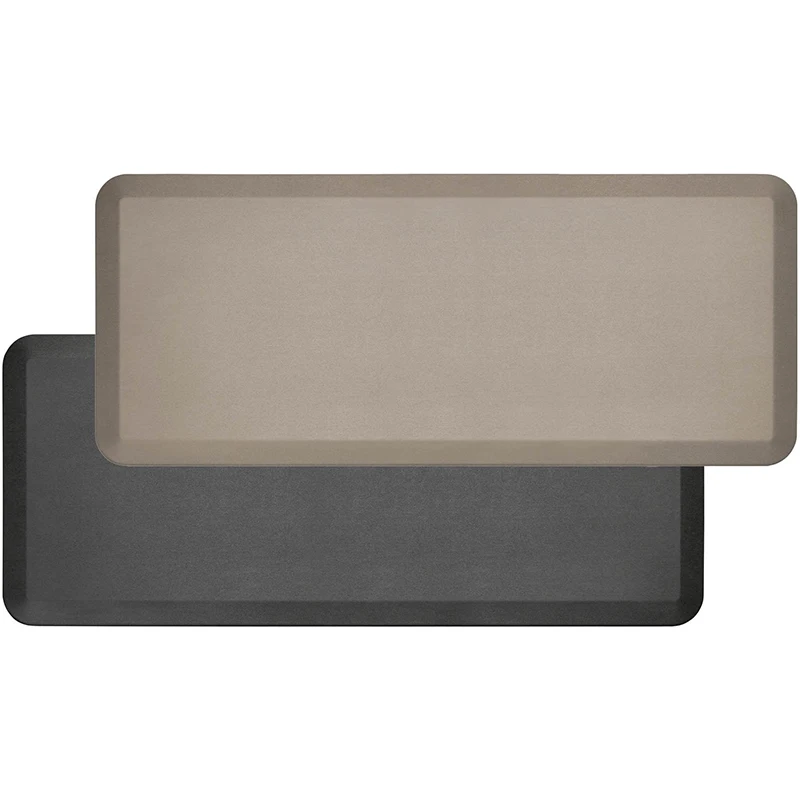
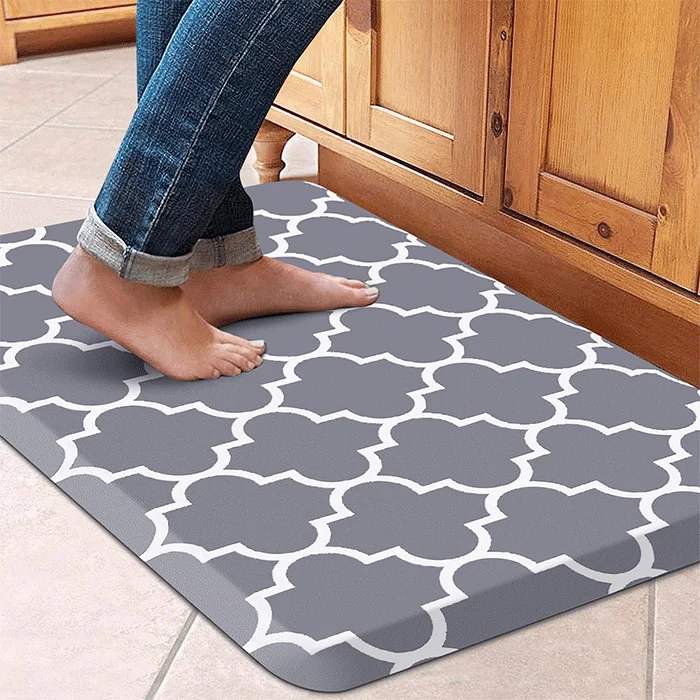
While functionality is key, the Kitchen Mat also serves as a decorative element that can enhance the overall aesthetics of the kitchen. Modern Kitchen Mats come in a wide range of styles, colors, patterns, and textures, allowing users to match them to their kitchen decor. For a modern kitchen with a monochromatic color scheme, a solid-colored Kitchen Mat in a bold hue can add a pop of color. For a country-style kitchen, a Kitchen Mat with floral patterns or checkered designs complements the cozy, rustic vibe. Commercial kitchens, such as cafes or farm-to-table restaurants, often use Kitchen Mats with brand logos or themed patterns to reinforce their brand identity.
Customization options further elevate the decorative value of the Kitchen Mat. Many manufacturers offer custom Kitchen Mats that can be printed with family crests, favorite quotes, or personalized designs, making them a unique addition to the kitchen. Size customization is also available, ensuring that the Kitchen Mat fits perfectly in any space—whether it’s a narrow strip in front of a small sink or a large mat covering the area around a kitchen island. The versatility in style and customization means that the Kitchen Mat is no longer just a functional product but a way to express personal taste and enhance the overall look of the kitchen. This combination of form and function makes the Kitchen Mat a popular choice among homeowners and interior designers alike.
Process Selling Points: Core Technologies of Kitchen Mat
1. Anti-Fatigue Material Engineering: Maximizes Comfort and Durability
The anti-fatigue performance of a Kitchen Mat is largely determined by its material engineering, a core technology that balances comfort, support, and durability. High-quality anti-fatigue Kitchen Mats use a multi-layer material structure, combining different materials to achieve optimal performance. The top layer is typically a durable, stain-resistant material like PVC that protects the underlying cushioning layer and provides a non-slip surface. The middle layer is the key to anti-fatigue comfort, made from memory foam, gel, or high-density EVA foam. Memory foam layers are engineered to have slow rebound properties, contouring to the feet and providing personalized support, while gel layers add extra shock absorption, reducing pressure on joints.
The bottom layer of the Kitchen Mat is designed for stability, made from non-slip rubber or latex that adheres firmly to the floor. Manufacturers use advanced bonding technologies to ensure that the layers are tightly integrated, preventing separation or denomination even after years of use. For commercial Kitchen Mats, the material engineering is taken a step further—they are made from heavy-duty rubber or vinyl that can withstand heavy foot traffic and the weight of kitchen equipment. These mats also undergo compression molding to enhance their durability, ensuring they do not lose their cushioning properties over time. Additionally, the materials used in anti-fatigue Kitchen Mats are tested for safety, ensuring they are free from harmful chemicals like formaldehyde and phthalates, making them safe for use in homes with children and pets.
2. Stain-Resistant Coating Technology: Repels Spills and Simplifies Cleaning
Stain-resistant coating technology is a critical process selling point of Kitchen Mats, enabling them to repel oil, food, and beverage spills and stay clean with minimal effort. High-quality Kitchen Mats are treated with a specialized water-based or silicone-based coating that creates a barrier on the mat’s surface, preventing liquids and stains from penetrating the material. This coating is transparent, so it does not affect the mat’s color or pattern, and it is durable, withstanding repeated cleaning and wear.
For example, PVC Kitchen Mats are often coated with a UV-protective and stain-resistant layer that not only repels spills but also prevents fading from sunlight (important for kitchens with large windows). Rubber Kitchen Mats may have a textured coating that enhances grip while also repelling oil and water. The coating technology also makes the Kitchen Mat resistant to mold and mildew, as it prevents moisture from seeping into the material. Some advanced Kitchen Mats use nanotechnology-based coatings that create a superhydrophobic surface, causing water and oil to bead up and roll off the mat, making cleanup as simple as wiping with a paper towel. This stain-resistant technology is especially valuable in commercial kitchens, where frequent spills are inevitable and quick cleanup is essential to maintain hygiene standards.
3. Non-Slip Backing Technology: Ensures Stability and Safety
Non-slip backing technology is a cornerstone of Kitchen Mat safety, ensuring the mat stays in place even in wet and high-traffic environments. The backing of a Kitchen Mat is typically made from natural rubber, synthetic rubber, or latex, materials known for their high friction and adhesion properties. Manufacturers use precision molding techniques to create a textured backing surface, with raised dots, ridges, or a grid pattern that increases grip on the floor. This texture prevents the mat from sliding when stepped on or when pressure is applied (such as when leaning against a counter while cooking).
For hardwood or vinyl floors, which are more prone to scratches, Kitchen Mats have a non-abrasive backing that protects the floor surface while providing grip. Some Kitchen Mats also use a dual-layer backing—an inner layer of rubber for grip and an outer layer of felt to prevent scratches. In commercial settings, Kitchen Mats may have a weighted backing or be designed to interlock with other mats, creating a seamless and stable surface that covers large areas. The non-slip backing technology is rigorously tested to meet safety standards, with tests simulating wet conditions and heavy foot traffic to ensure the mat remains stable. This technology gives users peace of mind, knowing that the Kitchen Mat will not shift unexpectedly and cause a fall.
4. Printing and Dyeing Technology: Ensures Vivid, Long-Lasting Designs
Printing and dyeing technology plays a key role in the aesthetic appeal of Kitchen Mats, ensuring that patterns and colors are vivid, consistent, and long-lasting. Modern Kitchen Mats use advanced printing techniques such as digital printing and sublimation printing to create high-quality designs. Digital printing is ideal for custom Kitchen Mats, as it can reproduce complex patterns, photos, and text with high resolution. This technique uses water-based inks that are environmentally friendly and non-toxic, making them safe for kitchen use.
Conclusion
The Kitchen Mat is a vital product for any kitchen, combining safety, comfort, functionality, and aesthetic appeal to address the unique challenges of this busy space. Its core advantages—superior safety, anti-fatigue comfort, stain and water resistance, and versatile styles—make it an indispensable tool for homeowners and commercial kitchen operators alike. The advanced technologies used in Kitchen Mat production, including anti-fatigue material engineering, stain-resistant coating, non-slip backing, heat-resistant processing, and high-quality printing, ensure that these mats deliver long-lasting performance and value.
As kitchens continue to evolve into central hubs of the home and commercial spaces prioritize safety and staff comfort, the Kitchen Mat category will continue to innovate. Future Kitchen Mats may integrate smart features like temperature sensors or anti-microbial technologies, or use more sustainable materials to meet the growing demand for eco-friendly products. Whether for a small home kitchen or a large restaurant, the Kitchen Mat remains a essential investment, enhancing safety, comfort, and style while protecting one of the most important spaces in any home or business.

 EN
EN