 EN
EN

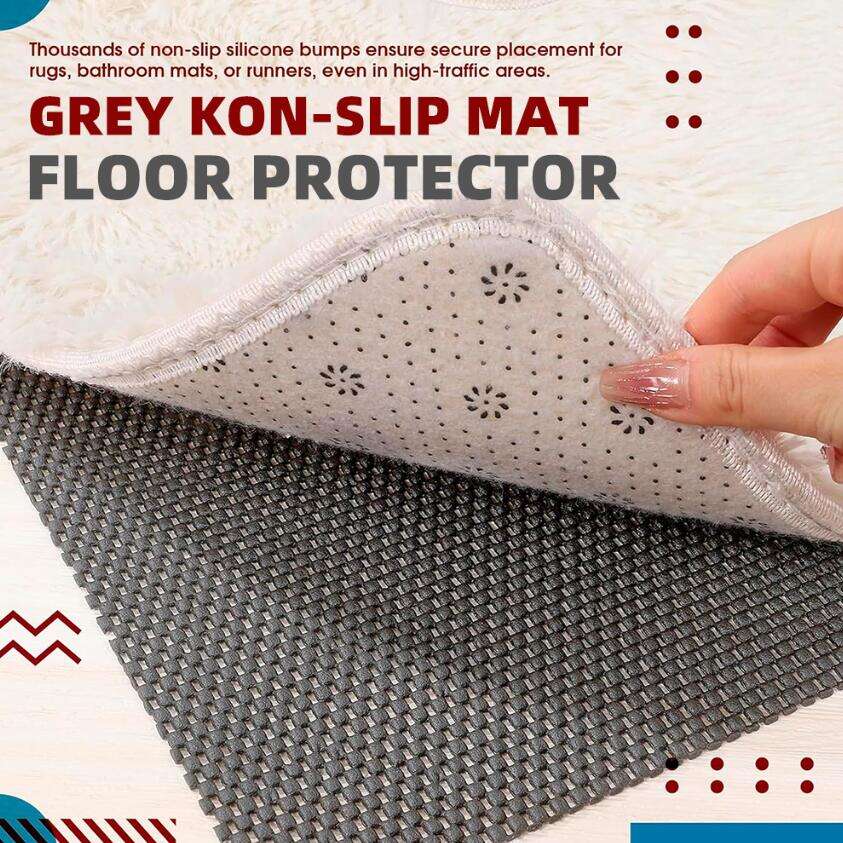
Hardwood floors are a classic choice for any home. They look great and last a long time. But if you have area rugs, you know the struggle. They slip, they slide, and they can scratch your beautiful floors. The simple answer to this problem is a good rug pad. But not all rug pads are created equal. You need one that does two jobs well: keep the rug in place and protect the wood underneath. So, what specific features should you look for? Let's talk about the materials and construction that make a rug pad truly effective for hardwood.
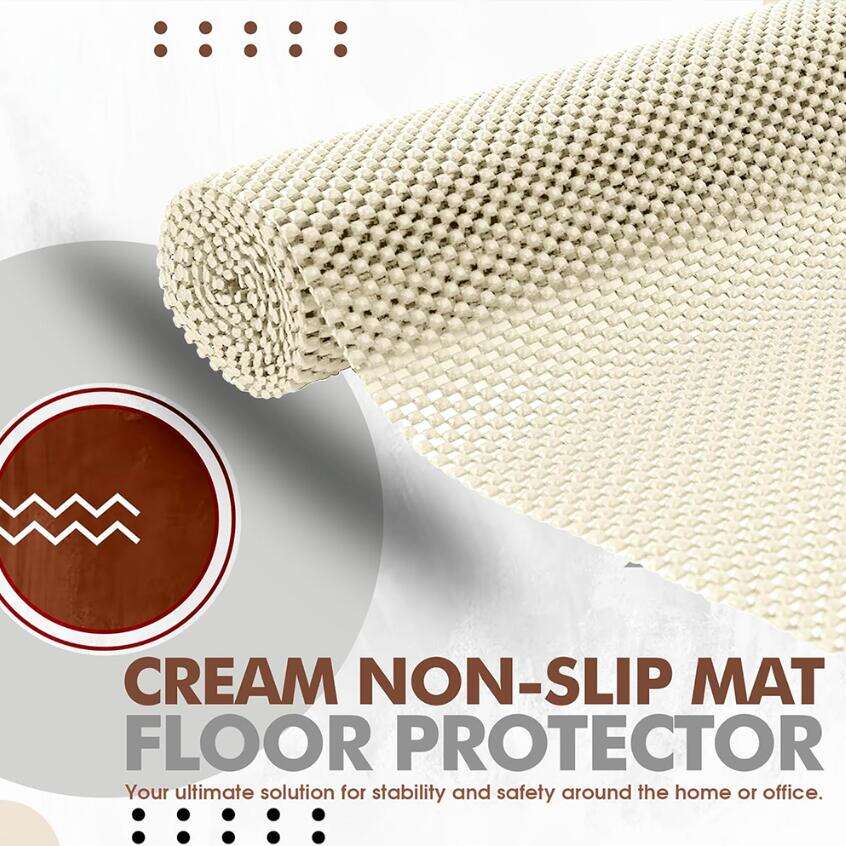
The Foundation of Grip Rubber and PVC Options
The non slip magic starts with the material on the bottom of the pad. This is the part that contacts your hardwood floor. It needs to create friction without damaging the surface. Many high quality pads use natural rubber for this. It has a great tacky feel that holds the rug firmly. It grips the floor without any sticky adhesive, so it won't leave a mess when you move it. Some pads use PVC materials. These can also offer excellent grip. They are durable and provide a strong hold. When you choose a pad with a solid rubber or PVC base, you are building a safe foundation. Your rug stays flat and secure, even in busy family rooms or entryways where people are constantly walking. You get peace of mind knowing no one will trip on a bunched up rug.
Cushion and Support Felt Combinations for Comfort
While grip is key, comfort matters too. A bare rug on hard wood can feel thin and cold. A rug pad adds a layer of cushion that makes a huge difference underfoot. It gives your rugs a plush, expensive feel. For this, felt is a fantastic material. Often made from recycled fibers, felt pads are thick and soft. They provide excellent padding that makes standing or walking more comfortable.
The best solution for hardwood is often a combination pad. Imagine a thick layer of soft felt, bonded to a thin layer of high grip rubber or PVC. This type of pad gives you the best of both worlds. The felt layer provides the cushion and protects the rug backing from wear. The rubber or PVC layer locks the whole thing in place. It is a popular and effective choice for area rugs in living rooms and bedrooms. It makes your rug feel like it is floating on a soft cloud, but it stays put like it is glued down.
Protecting Your Investment Shielding Hardwood Floors
Your hardwood floors are an investment. You want to keep them looking new. A rug pad acts as a shield. It sits between the rug and the floor, preventing scratches and scuffs. Think about all the tiny dirt and sand particles that fall through your rug. Without a pad, those particles grind against the wood every time someone walks on the rug. This acts like sandpaper, slowly wearing down the finish. A good quality pad traps these particles in its fibers, keeping them away from your precious floor.
But you have to be careful. Some pads can actually harm your floors. You want to avoid any pad with a sticky adhesive backing. These can bond to the wood and leave a stubborn residue. Also, some low quality rubber pads can react with certain wood finishes over time. That is why it is smart to choose pads made with stable materials like natural rubber, PVC, or felt. These materials are known to be safe for hardwood. They provide the necessary protection without any nasty side effects. They let your floor breathe and stay in perfect condition year after year.
Matching the Pad to Your Rug Type
The rug you have also plays a role in choosing the right pad. A thin, flat weave rug has different needs than a thick, plush carpet. For thinner rugs, a pad with a strong grip is extra important because the rug itself is light and flexible. A rubber or PVC backed pad will hold it down perfectly. For thicker rugs, you might want a little more cushion. A felt or combination pad adds a nice layer of softness without being too bulky.
Also, consider the size of your rug. A large, heavy rug might not need as much grip as a small, light one. But it still benefits from the protection and cushion of a pad. No matter what rug you have, from a custom logo mat at your entryway to a large area rug in your living room, there is a pad designed to work with it. The goal is to find a pad that complements your rug, making it perform better and last longer.
Why Material Quality Matters for Long Term Use
The lifespan of your rug pad depends on the materials used. Cheap pads can break down over time. They might crumble, lose their grip, or even discolor your floors. Investing in a pad made from quality materials is a smart move. Natural rubber, PVC, and dense felt are built to last. They hold their shape and their grip for years.
Companies that specialize in flooring, like those with years of experience in the industry, understand this. They use reliable materials to create products that people can trust. When you choose a pad made from these durable materials, you are not just buying a piece of foam. You are buying long term protection for your rug and your floors. You are buying safety and comfort for your home. It is a small investment that pays off every single day. You get a rug that stays beautiful, floors that stay protected, and a home that feels just right.