 EN
EN

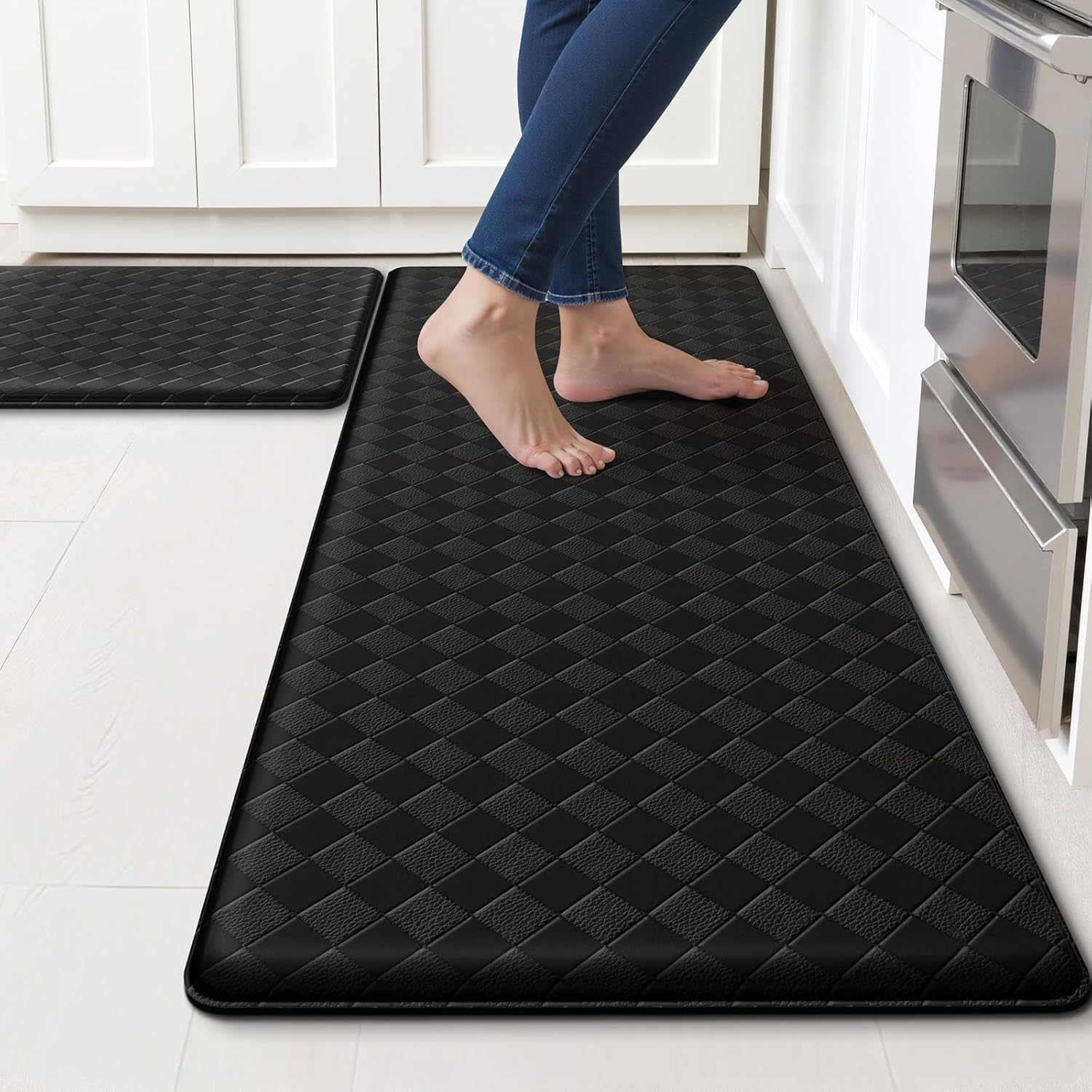
If you spend any time in the kitchen, you know the feeling. After standing for a while to chop vegetables, stir a pot, or wash dishes, your feet start to ache. Your knees feel stiff. Your lower back complains. It is a common problem for anyone who cooks. The good news is that there is a simple fix. An anti fatigue kitchen mat is designed exactly for this. It makes standing for long periods much easier on your body. But with so many options out there, how do you pick the right one? Drawing on years of experience in crafting quality mats for homes and businesses, let us walk through what to look for so you can find a mat that keeps you comfortable, safe, and happy in your kitchen.
Why Your Kitchen Needs a Special Mat
Kitchens are tough on floors and tough on people. Water spills, oil splatters, and dropped food are just part of the daily routine. Regular floors, whether tile, wood, or vinyl, are hard and unforgiving. Standing on them for an hour or more can really wear you out. That is where a good kitchen mat comes in. It is not just a piece of fabric on the floor. It is a tool that makes your kitchen a better place to work. A quality mat gives you a softer surface to stand on. It also protects your floor from spills and scratches. And it helps prevent slips by staying firmly in place. Manufacturers with years of industry expertise design these mats to handle the unique demands of a kitchen environment. Choosing the right one means you can cook, clean, and work in your kitchen with less pain and more energy.
Understanding Anti Fatigue Technology
The magic of an anti fatigue kitchen mat is in how it supports your body. When you stand on a hard floor, your body's weight presses down on your feet. Your muscles have to work hard to keep you balanced. This creates fatigue and stress in your feet, legs, and back. An anti fatigue mat works differently. It has a cushioning layer that compresses slightly under your weight. This tiny movement encourages your muscles to make micro adjustments. It keeps blood flowing and reduces the strain on your body. Think of it as a gentle, supportive surface that helps you stand longer without getting so tired.
The best mats use advanced material engineering for this cushioning. High-performance materials—such as soft, resilient PU or multi-layer constructions combining PVC, PU, and rubber—deliver the right balance of comfort, support, and durability. Professional manufacturers carefully select these materials to create mats that feel great underfoot and stand up to daily use. The key is to find a mat with the right balance of softness and support. Too soft, and you might feel unstable. Too firm, and you do not get the full anti fatigue benefit.
Key Materials to Look For
The material of your mat determines how well it works and how long it lasts. High-quality anti-fatigue mats are constructed from carefully selected materials that balance comfort, durability, and safety. One excellent option is 100% PU, which offers a soft, resilient feel and molds to your feet for personalized support. Another reliable choice is a multi-layer construction combining PVC, PU, and rubber (SBR) . In this design, the PU provides cushioning, the PVC adds durability and stain resistance, and the rubber (SBR) backing delivers exceptional grip. Alternatively, a PVC + PU combination offers a strong balance of easy cleaning and comfortable support.
The backing of the mat is just as important. You need a bottom layer that grips the floor and will not slide around. In the material combinations mentioned above, the rubber (SBR) or PVC components can be engineered to provide high-friction textures that hold the mat in place, even on wet floors. This non-slip feature is crucial for safety in the kitchen. You do not want a mat that shifts when you step on it. A good, grippy backing prevents accidents and keeps you secure while you work. Companies that specialize in mat production use precision molding techniques to create backing textures that maximize grip without damaging floors.
Finding the Right Size and Thickness
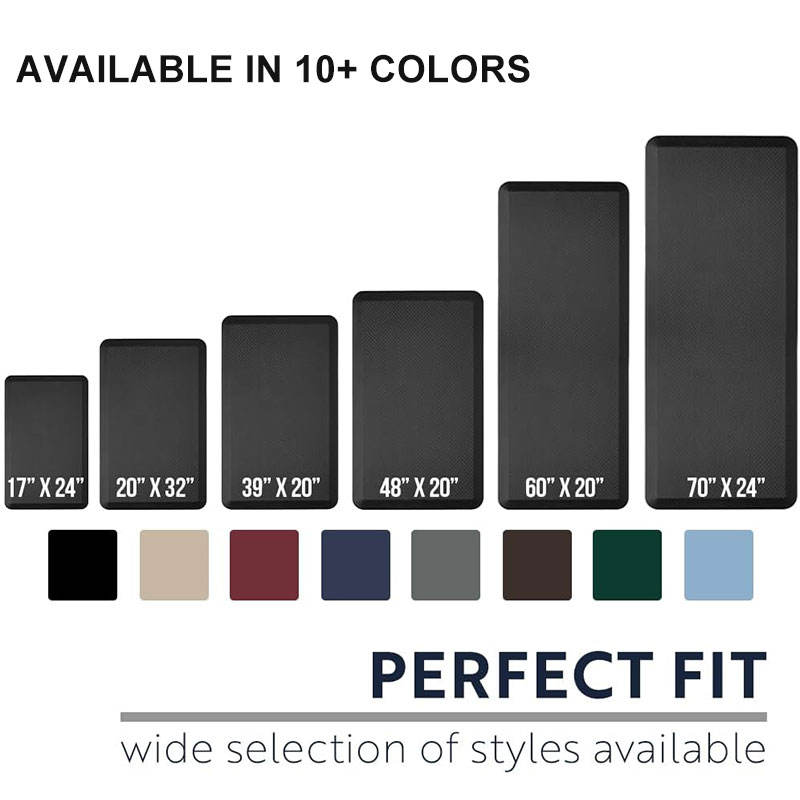
Size matters when it comes to kitchen mats. You want a mat that fits the space where you stand the most. Common spots are in front of the sink, the stove, or the kitchen island. Measure the area to see how much room you have. A mat that is too small might not cover the whole area where you stand. One that is too big can get in the way or look awkward. Think about the shape too. Rectangular mats are standard, but you can also find runner styles for long narrow spaces. Many manufacturers offer custom size options to ensure a perfect fit for any kitchen layout.
Thickness is another factor. Most anti fatigue mats are between half an inch and three quarters of an inch thick. Thicker mats generally offer more cushioning. But you also need to consider practicality. A very thick mat might create a trip hazard at the edge. It could also make it hard to open cabinet doors if it sits too high. Look for a mat with beveled edges. These are sloped so you do not trip, and they lie flat against the floor. A good balance is a mat with enough cushion to feel comfortable but not so thick that it becomes a problem. Quality mat producers design their products with these practical details in mind.
Safety First Non Slip and Water Resistance
Safety is the number one priority in a kitchen. A mat that slips is more dangerous than no mat at all. That is why a strong non slip backing is essential. As we talked about, in the material combinations above, the rubber (SBR) or PVC components can be engineered to provide high-friction textures that grip the floor firmly. Even if water or oil spills on the floor around the mat, it should stay put.
Water resistance is also key. Kitchens are wet places. A mat that soaks up water will stay damp, which is uncomfortable and can lead to mold or mildew. Look for mats made from materials that repel water. Quality options like PU and PVC are naturally water resistant, and some mats feature closed-cell construction that prevents liquid from soaking in. This makes them easy to clean and quick to dry. Just a quick wipe or a rinse with water, and they are clean. This keeps your kitchen hygienic and your mat looking good. Professional grade mats are often tested to ensure they maintain their performance even with constant exposure to moisture.
Easy Cleaning for a Busy Space
Let us be real. Kitchens get messy. You need a mat that can handle the chaos and clean up easily. The best kitchen mats are low maintenance. For daily crumbs and dry dirt, a quick vacuum or a shake over the trash can does the job. For spills, you want a surface that does not absorb liquids. Most quality mats let you just wipe up sauce, oil, or water with a cloth or sponge.
Some mats are even safe to rinse with a hose or in a shower. This is great for a deep clean. Just make sure to let it air dry completely before putting it back on the floor. The easy cleaning of a good kitchen mat saves you time and effort. It also keeps your kitchen more sanitary. With less dirt and moisture trapped in the mat, you have a cleaner environment for preparing food. Many modern mats also incorporate stain resistant coating technology that makes cleaning even easier, repelling spills before they can soak in.
Style and Design for Your Kitchen
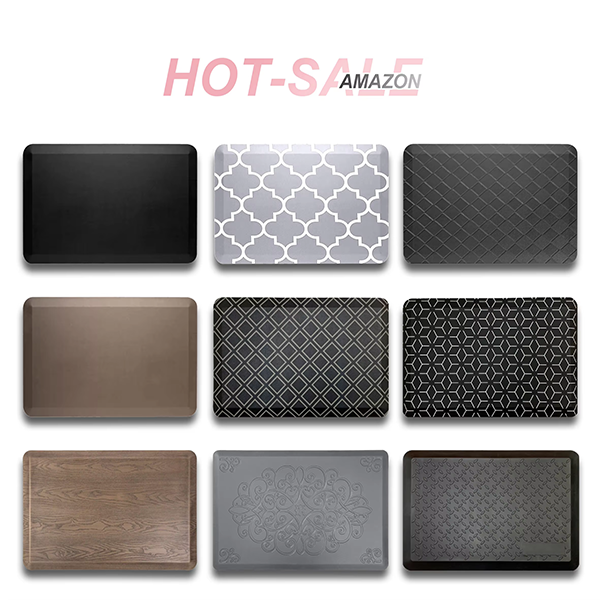
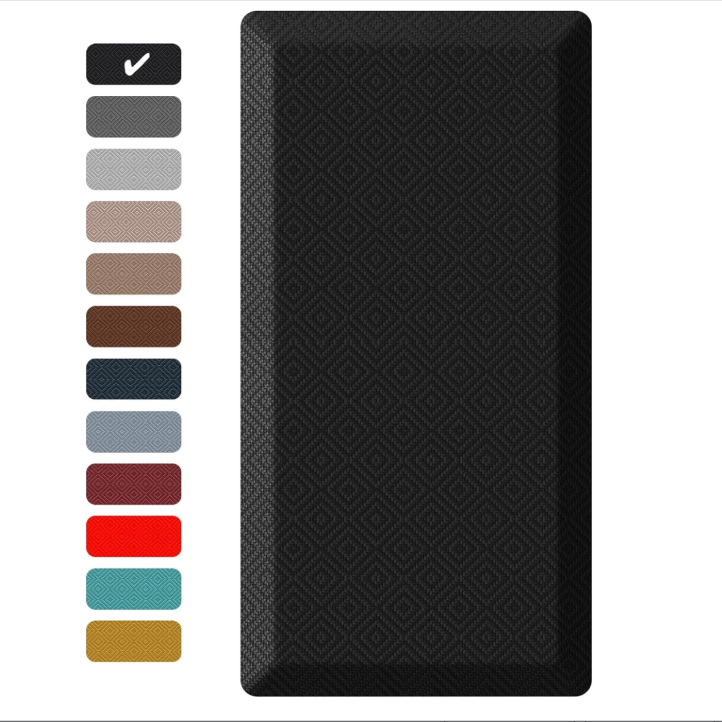
Just because a mat is practical does not mean it has to be ugly. Kitchen mats come in all sorts of colors, patterns, and styles. You can find something that matches your kitchen perfectly. A simple solid color in a bold hue can add a fun pop of color. A mat with a geometric pattern might complement a modern kitchen. For a cozy, country style kitchen, look for floral or checkered designs.
Many manufacturers also offer customization. You can get a mat printed with your family name, a funny saying, or a design that you love. This turns a practical item into a personal statement. You can also choose custom sizes to fit odd shaped spaces. With so many options, you do not have to sacrifice style for comfort. Your anti fatigue kitchen mat can be both a helper and a decoration. Professional printing technologies like digital and sublimation printing ensure that custom designs stay vivid and last a long time, even with regular use and cleaning.
Making the Right Choice for You
Choosing the best anti fatigue kitchen mat comes down to your personal needs. Think about how much time you spend in the kitchen. If you cook a lot, invest in a high quality mat with good cushioning and durable materials. Consider the floor type in your kitchen. If you have hardwood, make sure the mat has a backing that will not scratch it. For tile or vinyl, grip is the most important feature.
Think about the main spills and messes in your kitchen. If you are a messy cook, prioritize stain resistance and easy cleaning. If you have mobility issues or joint pain, look for extra thick cushioning—options like PU offer a plush, body-molding feel, while multi-layer constructions provide a balance of cushion and durability. And do not forget about size. Measure your space and choose a mat that fits well. Working with a trusted manufacturer means you get expert advice on matching the right mat to your specific situation. A good anti fatigue kitchen mat is an investment in your comfort and safety. Take your time, consider your options, and pick one that makes your time in the kitchen better. Your feet, knees, and back will thank you.