 EN
EN

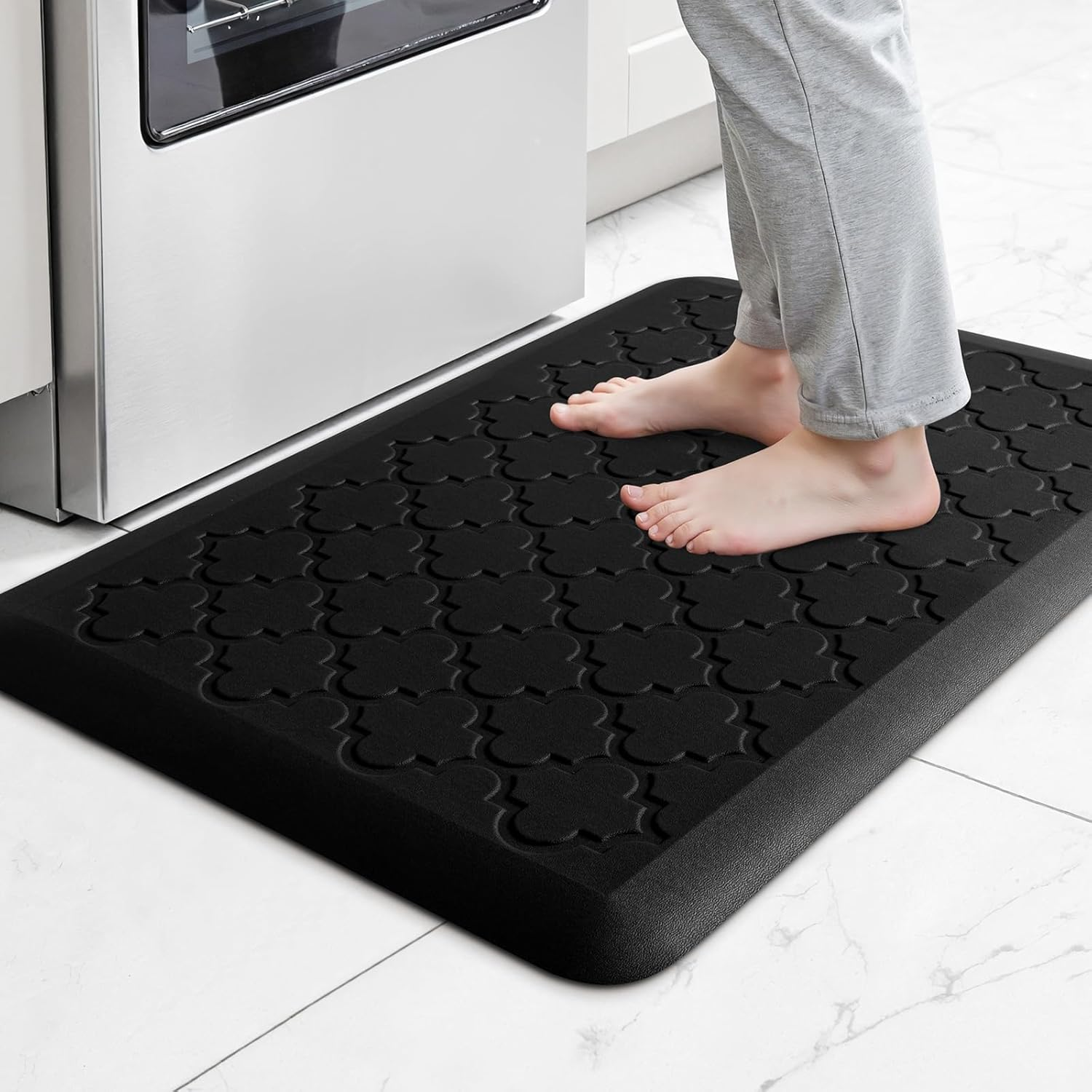
When you stand in the kitchen for a long time, your body feels it. Your feet get tired, your knees ache, and your lower back starts to complain. That is why so many people turn to an anti fatigue kitchen mat. It makes a huge difference. But not all mats are the same. One of the biggest things to think about is thickness. How thick should your mat be? Does thicker always mean better? At Dotcom Mats, with 17 years of experience crafting quality mats for homes and businesses around the world, we have learned that the right thickness can make all the difference. Let us break it down so you can pick the perfect mat for your kitchen.
The Basic Idea Behind Thickness
The thickness of a mat is exactly what it sounds like. It is how tall the mat is from the floor to the top surface. This measurement matters a lot because it affects how the mat feels under your feet. A thicker mat usually has more cushioning material inside. That cushion is what gives you the anti fatigue effect. It compresses under your weight and helps your body feel less strain. But thickness is not just about comfort. It also affects safety, durability, and how the mat fits in your space. Getting the thickness right means you get all the benefits without any of the downsides. Professional manufacturers like Dotcom Mats design mats with specific thicknesses to match different needs, from home kitchens to busy restaurants, ensuring every customer finds their ideal match.
How Thickness Affects Comfort and Support
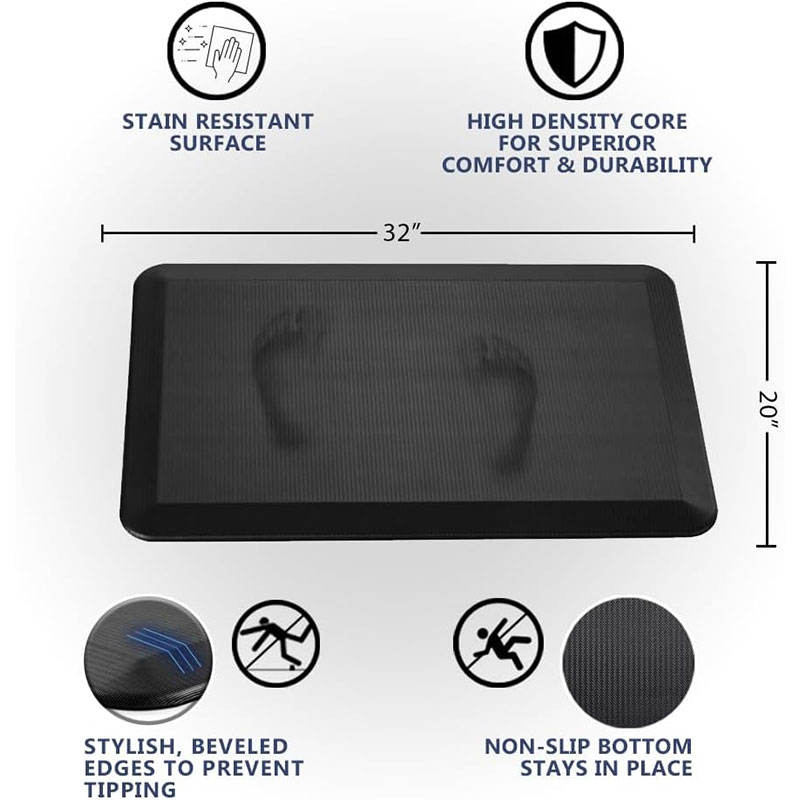
The main reason to buy an anti fatigue kitchen mat is for comfort. The thickness plays a huge role here. When you stand on a thin mat, you might still feel the hard floor underneath. The cushion compresses all the way, and your feet get little relief. A thicker mat has more material to absorb the pressure. It gives your feet a softer place to land with every step.
But there is a balance. A mat that is too thick might feel unstable. You might wobble a little when you step on it. The best mats use smart engineering to get the thickness just right. They have layers of different materials. The top might be a durable surface that resists stains. The middle is the cushioning core, often made from high-performance materials like PU for a plush feel, or multi-layer constructions for balanced support and durability. This layer does the hard work of supporting your body. The bottom is a non-slip layer that keeps the mat in place.
When these layers are put together at the right thickness, you get a mat that feels great and supports you well. At Dotcom Mats, our team uses years of industry expertise to balance these elements. We test our designs rigorously to ensure the thickness provides optimal support without compromising stability, which is why clients across Australia, the Americas, and Europe trust our products.
The Safety Side of Thickness
Safety is a big deal in the kitchen. You do not want to trip or slip. Thickness affects safety in a couple of ways. First, a very thick mat can create a raised edge that might catch your foot. This is especially true if the edges are not tapered. That is why many good mats have beveled edges. The edge slopes down to the floor, so you do not trip. This design is common in quality anti fatigue kitchen mats. It gives you the cushion you want without the hazard.
Second, thickness can affect how well the mat stays put. A very thick, soft mat might squish down unevenly. This can make the edges curl up over time. Curled edges are a tripping risk. A well made mat holds its shape. It stays flat on the floor even after months of use. The non slip backing also works better when the mat is stable. Quality mats from Dotcom Mats use advanced non slip backing technology to ensure they grip the floor firmly. Our non slip backing is rigorously tested to meet safety standards, giving you peace of mind that your mat will not shift unexpectedly and cause a fall. So when you choose a mat, look for one that is thick enough to be comfortable but not so thick that it becomes a problem. Good design matters just as much as the number.
Thickness and Durability Over Time
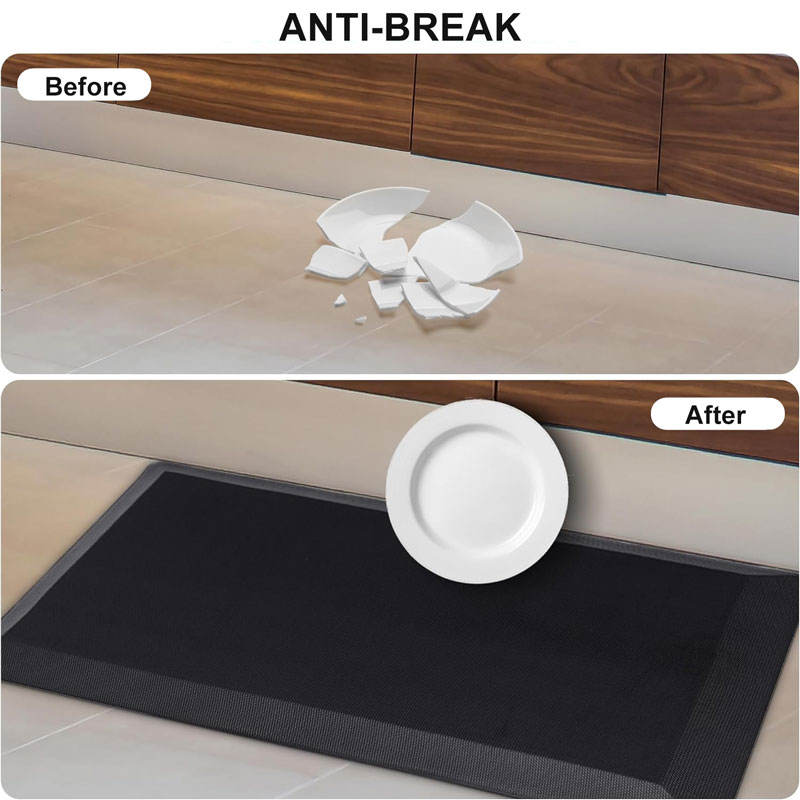
You want your mat to last. Thickness plays a role here too. A thicker mat often has more material to wear down. But it is not just about how thick it is. It is about the quality of that material. A thick mat made of cheap foam might flatten out after a few months. It loses its cushion and stops helping your feet. A well made mat uses high density materials that bounce back. They keep their shape for years.
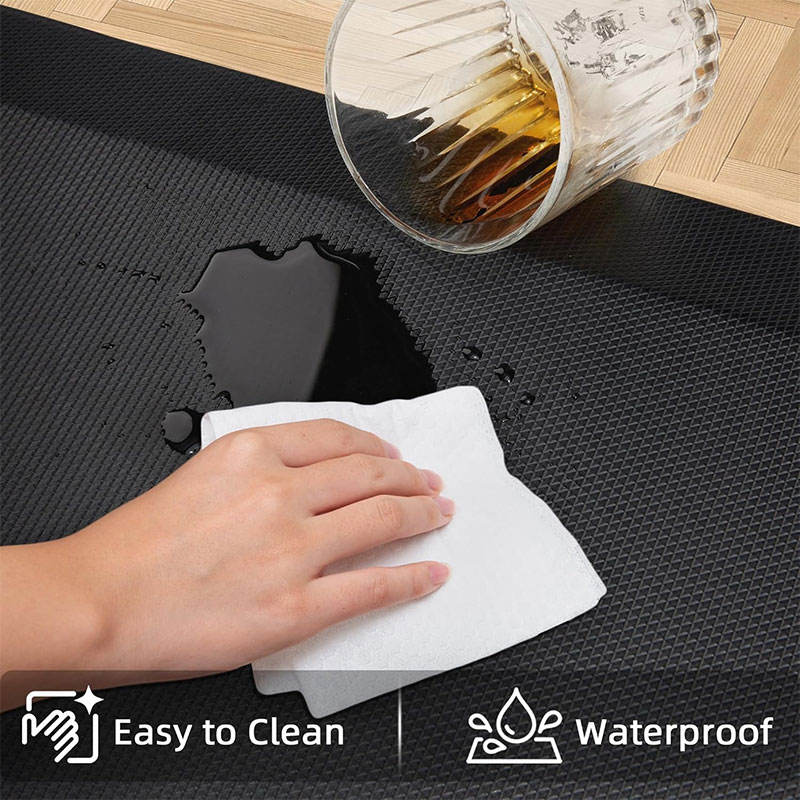
The construction matters too. Good anti fatigue kitchen mats have layers that are bonded together tightly. They do not separate or peel apart. The top layer protects the cushion from spills and stains. The bottom layer grips the floor. When these layers are made well, the mat lasts a long time. Thicker mats from reputable manufacturers like Dotcom Mats use better materials and construction. We engineer our mats to handle daily use in busy kitchens, which is why many of our clients return to us for their flooring needs. Many of our mats also incorporate stain resistant coating technology that makes cleaning easier and extends the life of the mat. So while thickness is important, make sure you are getting quality along with it.
Finding the Right Thickness for Your Space
Where you put the mat matters. Think about the layout of your kitchen. If you are putting a mat in front of the sink, you need to think about cabinet doors. A very thick mat might stop the doors from opening all the way. You might have to stand further back. In front of the stove, you want enough cushion to stand comfortably while you cook. But you also need to be able to move safely. A mat that is too thick might shift or bunch up.
Think about who uses the kitchen. If you have young kids or older adults, safety is extra important. A mat with beveled edges is a must. The thickness should provide good support without being a hazard. For someone with joint pain, a thicker mat with extra cushion might be the best choice. A high-quality PU mat, with its soft, body-molding properties, can provide significant relief. For a busy commercial kitchen, durability is key. A thick, heavy duty mat made for high traffic might be the answer. At Dotcom Mats, our professional business team offers tailored recommendations based on your specific situation. We help you choose the right thickness and material for your unique needs, drawing on our experience serving over 2000 clients globally.
Common Thickness Options and What They Mean
Most anti fatigue kitchen mats come in a range of thicknesses. Thin mats are usually around a quarter inch thick. They offer some cushion but you can still feel the floor. These might be okay for short term standing, like making coffee. But for longer cooking sessions, they do not give enough relief.
Medium thickness mats are around half an inch. This is a popular choice. They provide good cushion without being too bulky. They fit well in most kitchens and work for many people. The beveled edges help prevent trips. This thickness is a solid all around option.
Thick mats are three quarters of an inch or more. These give you serious cushion. They feel soft and supportive underfoot. They are great for people who stand for long periods or have foot pain. But they need to be designed well. Look for tapered edges and a strong non slip backing. These features make a thick mat safe and practical. With the right design, a thicker anti fatigue kitchen mat can be a game changer for your comfort. Dotcom Mats offers various thickness options to meet different comfort levels and usage scenarios, ensuring you find the perfect fit for your kitchen.
The Role of Material in Thickness
Not all thickness is created equal. The material makes a big difference. Anti-fatigue mats are commonly made from several high-performance material combinations. 100% PU mats offer a soft, resilient feel that molds to your feet for personalized support, making them ideal for those who prefer a plush surface. PVC + PU + Rubber (SBR) mats combine the durability and stain resistance of PVC, the cushioning comfort of PU, and the exceptional grip of rubber (SBR) for a well-rounded solution. PVC + PU mats provide a strong balance of easy cleaning and supportive cushioning, making them a popular choice for busy kitchens.
The same thickness in different material combinations will feel different. A 100% PU mat of half an inch will feel softer and more conforming than a PVC + PU mat of the same thickness. So think about what you like. Do you want a plush, body-molding feel? Go for 100% PU. Do you want a durable, easy-to-clean surface with solid support? Consider PVC + PU or PVC + PU + Rubber (SBR). The best anti-fatigue kitchen mats combine materials to get the best of both, using multi-layer constructions that optimize performance. The thickness works together with the material to create the right feel. At Dotcom Mats, our material engineering expertise allows us to carefully select and combine these materials to optimize performance, delivering mats that are both comfortable and durable.
Why Experience Matters in Mat Design
Making a good mat is not simple. It takes knowledge and skill. Companies that have been in this business for a long time understand what works. They know how thick to make the cushion. They know which materials last. They test their mats to make sure they perform. When you buy from an experienced manufacturer like Dotcom Mats, you get that expertise. We have helped over 2000 clients build their business or brand with quality flooring solutions. We know what works in home kitchens and what works in restaurants across different countries and cultures.
This experience shows in the details. The beveled edges are just right. The non slip backing grips without scratching floors. The materials resist stains and clean up easily. The thickness is chosen to balance comfort, safety, and durability. That is what you get when you choose a mat from Dotcom Mats. You are not just buying a piece of foam. You are buying 17 years of learning and improvement, backed by a team that is seriously on duty and responsible for every product we make.
Making Your Final Choice
So how do you pick the right thickness? Start by thinking about how you use your kitchen. Do you cook a lot? Stand for hours? Then a thicker mat with good cushion might be best. Do you have limited space or low cabinets? A medium thickness mat might work better. Think about your body. Do your feet hurt after standing? More cushion helps. Are you worried about tripping? Look for beveled edges and a stable mat.
Look at the materials too. A well made mat with quality materials will last longer and feel better. Check the backing to make sure it is non slip. Read about the construction. A good anti fatigue kitchen mat is an investment in your comfort. It makes your time in the kitchen better. Your feet, knees, and back will thank you. Take your time, consider your options, and choose a mat that fits your life. With the right guidance from experienced professionals like the team at Dotcom Mats, you can find the perfect mat that combines the ideal thickness with lasting quality and performance. Whether you need a custom design, a specific size, or expert advice on materials, we are here to help you make the best choice for your kitchen.
Table of Contents
- The Basic Idea Behind Thickness
- How Thickness Affects Comfort and Support
- The Safety Side of Thickness
- Thickness and Durability Over Time
- Finding the Right Thickness for Your Space
- Common Thickness Options and What They Mean
- The Role of Material in Thickness
- Why Experience Matters in Mat Design
- Making Your Final Choice