 EN
EN

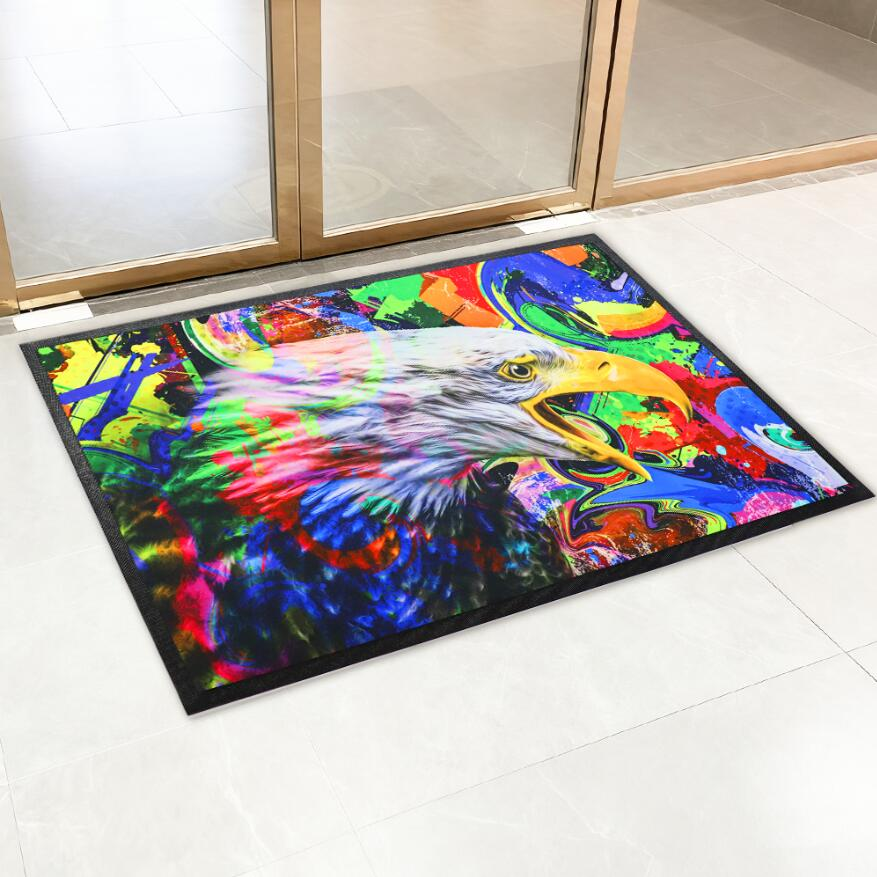
Lets be real for a second. A door mat is often the first thing people see when they walk into your home or business. It gets trampled on, scraped with shoes, and hit with rain and dirt. But it is also a chance to make a statement. So how do you design custom door mats that actually do their job keeping floors clean and people safe while also looking good enough to set the tone for your space? It is a balancing act, but getting it right is totally worth it.
A company like Dotcom would know. They have been in the custom mat game since 2008, working with thousands of clients around the world. They have seen it all, from simple home welcome mats to heavy duty commercial mats for top brands. The key takeaway from all that experience is that the best custom door mats are the ones that blend tough materials with smart design choices. It is not about picking one over the other. It is about making them work together.
Start with the Surface Choosing the Right Material
The first big decision is what the top of your mat is made of. This is what people see and what their feet touch. It needs to look good, but it also has to be tough enough to handle where it lives.
For outdoor mats or high traffic indoor spots, you want something durable that can scrape dirt and handle moisture. Nylon is a popular choice for a reason. It is strong, it holds color well, and it dries quickly. You will see options with different pile heights and weights, measured in grams per square meter. A heavier, twisted nylon pile, like 600 or 700 grams per square meter, gives a more textured look and is great at trapping dirt. A 950 gram option with a higher pile feels even more luxurious underfoot while still being a workhorse. The pile height, usually from 3mm up to 7mm, also affects the look and feel. A tighter, shorter pile can be great for showing off detailed logos, while a plusher pile feels more welcoming.
The Backbone Non Slip Backing and Durability
Here is something easy to overlook but absolutely critical. The bottom of the mat. You can have the most beautiful design in the world on top, but if the mat slides around the first time someone steps on it, it is a failure. It is unsafe and annoying.
Quality custom door mats use a heavy duty backing to keep them planted. Rubber backing, often made from materials like TPR, is the gold standard. It is naturally grippy and adds significant weight to the mat, which helps it stay flat and resist moving. A good backing can weigh twice as much as the surface material itself. This combination of a durable top layer and a heavy, non slip bottom is what makes a mat truly functional. It stays put on tile, wood, or concrete, whether it is indoors or out in the wind and rain. And when the top is securely attached to the backing with solid manufacturing like lock stitching, you know it is going to last.
Making It Functional Size, Edges, and Practical Use
Functionality is also about the details. How big should the mat be? Where will it go? A small mat in front of a wide commercial door looks silly and misses a lot of dirt. A huge mat in a tiny apartment entryway is just awkward.
The beauty of custom is that you can get the size exactly right. Whether you need a standard size like 40 by 60 centimeters for a home entrance or a massive runner up to 200 centimeters wide and 600 centimeters long for a hotel lobby or long hallway, it can be done. For really long runs, you can even go longer with a small additional fee.
Think about the edges too. Do you want a clean look with no border? Or do you need a rubber edge, maybe 1.5 or 2 centimeters wide, to give the mat a defined boundary and extra durability on the edges where people might trip? These choices matter for safety and for how the mat fits into its space. A well fitted mat with secure edges reduces tripping hazards and looks intentional, not like an afterthought.
The Fun Part Design and Personalization
Now for the part that makes it yours. The design. This is where a custom door mat stops being just a utility item and becomes part of your decor or your brand.
You have a lot of freedom here. Solid colors are always an option for a clean, minimalist look. But you can also go for geometric patterns, bold graphics, or intricate retro designs. The printing technology used, like spot inkjet printing with machines imported from Austria, allows for high detail and vibrant color. You are not limited to just a few basic shades. You can choose from a wide palette of colors, often using the Pantone system to match your exact brand colors or personal preference. You can incorporate up to twelve colors in a single design, so even complex logos or artwork are possible.
Think about what you want your mat to say. For a home, it could be a family name, a favorite quote, or a fun pattern that matches your door color. For a business, it is prime real estate for your logo. It reinforces your brand every single time a customer or client walks in. You see these everywhere, from retail stores and restaurants to hotels and gyms. A well designed custom door mat with a logo makes a space feel professional and put together.
The Customization Process Easier Than You Think
You might think designing your own mat sounds complicated or expensive. But it is actually pretty straightforward, especially when you work with an experienced manufacturer.
One of the best things is that you usually do not need to order a huge quantity. Many companies will produce just a single custom mat for you. Of course, the price per mat gets better with larger orders, but the option is there for individuals or small businesses. You can provide your own design file, like a JPG, AI, or PDF. Just keep in mind that if you have text, it should be big enough to read. Letters generally need to be at least 4 centimeters tall. And avoid putting similar colors together that might blend in.
If you do not have a design ready, no problem. You can give them your logo or an idea, and their designers can create the artwork for you. They will send you a proof to look over and approve before anything goes into production. That way, you know exactly what you are getting. You can even specify Pantone colors to get your brand colors exactly right.
Built to Last Quality and Certifications
When you put time and thought into designing a custom door mat, you want it to hold up. You want the colors to stay bright and the fibers to stay put. That comes down to manufacturing quality.
A reliable manufacturer will follow a strict production process. This involves multiple steps like tufting the yarn, applying adhesives, printing the design, attaching the backing, and then cutting and edging everything precisely. There are even checks, like needle detection, to make sure nothing is loose. All of this ensures a consistent, high quality product.
It is also smart to look for mats that have passed independent safety and quality tests. Certifications like Oeko Tex Standard 100 are a big deal. They mean every part of the mat has been tested and contains no harmful substances, which is especially important for indoor use. Other certifications like ISO 9001 for quality management or BSCI for social compliance show that the company operates responsibly. Knowing your mat meets these standards gives you peace of mind that it is safe and built to last through years of foot traffic and weather.
Bringing It All Together
So, back to the original question. How do you design a custom door mat that is both functional and decorative? You start with a clear idea of where it will go and what job it needs to do. Then you choose materials that match that purpose. A durable nylon surface for scraping shoes, paired with a heavy, non slip rubber backing. You pick a size and edge style that fits the space perfectly and keeps people safe. Then you layer on the design, using high quality printing and a palette of colors to create something that looks great, whether it is a simple monogram or a full color logo.
By thinking through all these pieces material, construction, size, and design you end up with more than just a mat. You get a practical tool that works hard every day and a decorative piece that welcomes people in style. That is the sweet spot.
Table of Contents
- Start with the Surface Choosing the Right Material
- The Backbone Non Slip Backing and Durability
- Making It Functional Size, Edges, and Practical Use
- The Fun Part Design and Personalization
- The Customization Process Easier Than You Think
- Built to Last Quality and Certifications
- Bringing It All Together