 EN
EN

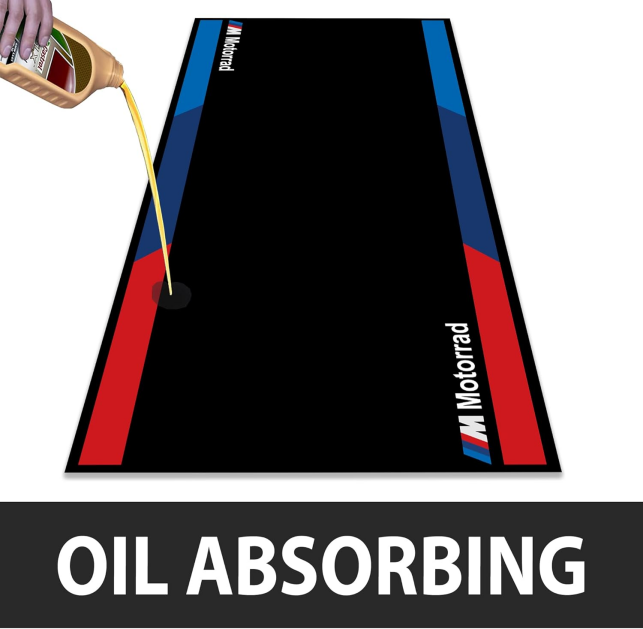
Working on motorcycles can be an enjoyable hobby. However, it can quickly turn a clean space into a messy workshop filled with grease, oil, and other potentially hazardous fluids. While some may dismiss oil-slicked floors as a mere eyesore, the safety risk they pose to anyone in the area is serious and real. Shows like Project Prime and Contrast Customs use specialized motorcycle pit mats to prevent floor damage from liquids while providing a non-slip surface to counteract the slipperiness caused by maintenance work. These workshop mats are designed to trap and contain spills, preventing hazardous fluids from spreading. With many options on the market, the best mats stand out due to specific features engineered to protect your workspace.
Taking pride in a professional workspace is completely justified. For serious enthusiasts and mechanics, having the right flooring is as crucial as having the right tools. The best motorcycle pit mat does more than just protect your floor—it fosters a safer, cleaner, and more professional working environment.
Material Matters: The Foundation of Resistance
At the core of every high-performance pit mat is its construction material. This is the first and most critical factor determining how well it withstands oil and grease.
PVC and Rubber
The most common and effective materials for oil resistance are heavy-duty PVC (Polyvinyl Chloride) and specially formulated rubber compounds. These materials are naturally resistant to petroleum-based substances. Unlike absorbent materials like cheap foam or certain carpets, they do not soak up oils and greases. Instead, fluids bead up on the surface, allowing for easy cleanup before they can cause damage or seep into the mat.
Inherent Properties
This resistance isn't just a superficial coating; it's built into the material's very structure. High-quality PVC and rubber are engineered to be non-porous, meaning there are no microscopic holes for oil molecules to penetrate. Think of it as a high-tech raincoat for your floor—it sheds liquids rather than absorbing them. This inherent quality ensures the mat's resistance lasts through extensive use and repeated cleaning.
Durability and Thickness
The thickness and density of the material are equally vital. A thin, flimsy mat will quickly deteriorate under the weight of a motorcycle and the stress of maintenance. Premium mats are thick and dense, offering a sturdy, cushioned work surface that resists tears, punctures, and permanent deformation from heavy tools or bike stands.
The Power of Surface Treatment
While the base material provides the primary defense, advanced surface treatments significantly enhance oil and grease resistance. This is where manufacturing expertise becomes evident.
Chemical Resistance Coatings
Many top-tier mats undergo a special treatment during production, which involves applying a chemical-resistant top coat or sealant. This layer adds an extra barrier, making the surface even more stain-resistant. It works at a molecular level to prevent fluids from bonding to the mat, giving you more time to wipe up spills like chain lube or transmission fluid before they leave a mark.
Textured for Traction and Run-Off
Effective workshop mats typically feature a textured surface pattern, such as diamond plate, studs, or ribs. This texture is functional, not just decorative. It helps control the spread of spills by containing liquids within the grooves of the pattern. This design makes it easier to direct fluids away from your work area and toward the edges for cleanup. Additionally, the texture provides excellent grip for your boots, even on wet or oily surfaces, greatly reducing the risk of slips and falls.
Seamless Construction: Keeping Fluids on Top
How a mat is constructed is just as important as what it's made of. Seams and joints are potential weak points where fluids can infiltrate.
The Problem with Seams
Mats that are stitched, glued, or pieced together have seams. Over time, these seams can separate or become miniature channels that trap oil and grease within the mat or, worse, allow them to seep onto the floor beneath. Once fluids get underneath the mat, they are hidden from view and can damage the subfloor or promote mold and mildew growth.
The Seamless Advantage
The best motorcycle pit mats are manufactured using molding techniques that create a seamless, one-piece unit. Whether through injection molding or heavy-duty calendaring processes, the result is a mat with no weak points, no seams, and no places for leaks to start. This monolithic construction ensures that any spilled fluid remains on the work surface where you can see and address it promptly. It also makes cleaning remarkably easy—you can often wipe it down or hose it off without worrying about water getting trapped inside.
Beyond Resistance: Safety and Durability Features
A mat that only resists oil isn't sufficient for a busy workshop. It needs to be a complete, long-lasting safety solution.
Non-Slip Backing
A critical feature is the backing. A high-quality mat will have a non-slip, grippy backing made from a different rubber compound. This backing locks the mat firmly in place on concrete, tile, or epoxy floors, preventing it from sliding when you're maneuvering a heavy bike. The backing should provide strong grip without leaving residue or making the mat difficult to relocate when needed.
Heat and Chemical Resistance
Motorcycle maintenance involves more than just oil. You may encounter hot exhaust parts, corrosive brake fluid, battery acid, and various solvents. A superior mat is formulated to withstand a range of temperatures and chemicals without degrading, becoming brittle, or melting. This broad-spectrum resistance is a key distinction between professional-grade mats and lower-quality alternatives.
Long-Term Performance
The combination of robust material, intelligent surface design, and seamless construction results in long-term value. A great mat won't crack, break down, or lose its non-slip properties after a few months. It will maintain its appearance and functionality for years, even in demanding commercial environments. This durability transforms the mat from a simple accessory into a wise investment in your shop's safety and efficiency.
Customization for Specific Needs
A significant advantage of working with an experienced manufacturer is the ability to customize a mat to your exact requirements.
Size and Shape
Garages and workshops come in all layouts. You can get a motorcycle pit mat tailored to your precise dimensions—whether you need a long, narrow mat for a bike or a wide rectangle for a full workbench area. This ensures complete coverage where it's needed most.
Features for Specific Environments
Your shop might face unique conditions, such as extreme temperatures, or you might want integrated drain channels for easy fluid collection. Expert manufacturers can incorporate these features. For instance, a mat designed for colder climates might use a rubber compound that remains flexible in low temperatures.
Branding and Professionalism
Adding a custom logo, shop name, or safety warnings (e.g., "Caution: Hot") directly into the mat's surface elevates your space. This branding isn't merely decorative; it's molded or printed with the same durable, oil-resistant materials, so it won't fade or peel like a sticker. It projects a professional image to clients and reinforces your brand daily.
Keeping It Clean: Maintenance Is Simple
A major benefit of a truly oil-resistant mat is its easy maintenance. The design simplifies cleanup rather than complicating it.
Routine Cleaning
For everyday dirt and dust, simple sweeping or vacuuming suffices. For oil and grease spills, the non-porous surface usually allows you to wipe them up with a rag or paper towel. Tougher grime can be addressed with mild soap and water. The absence of seams and absorbent materials means you can often use a mop or even a gentle pressure washer without damaging the mat.
Long-Term Care
Avoid harsh abrasive cleaners or strong solvents, as these could degrade the top protective layer over many years of repeated use. The best practice is to clean spills promptly. The longer any fluid sits, even on a resistant surface, the greater the chance it will break down dirt or debris stuck to the mat. Regular, simple cleaning will keep your mat looking and performing like new throughout its lifespan.
Conclusion
Choosing the right motorcycle pit mat is a smart decision for any serious rider or professional mechanic. Resistance to oil and grease is not a matter of luck but the result of careful engineering: selecting inherently resistant, durable materials like PVC and rubber, applying advanced surface treatments and textures, and utilizing seamless, one-piece construction methods. Together, these features create a safe, clean, and professional workspace that protects both your floor and yourself.
Investing in a high-quality, purpose-built mat is an investment in the efficiency, safety, and professional appearance of your workshop. It's a foundational piece of equipment that pays for itself by making every repair and maintenance job easier, cleaner, and safer. Look for these key features, and you'll find a mat capable of handling whatever your motorcycle—and your workshop—throws its way.