 EN
EN

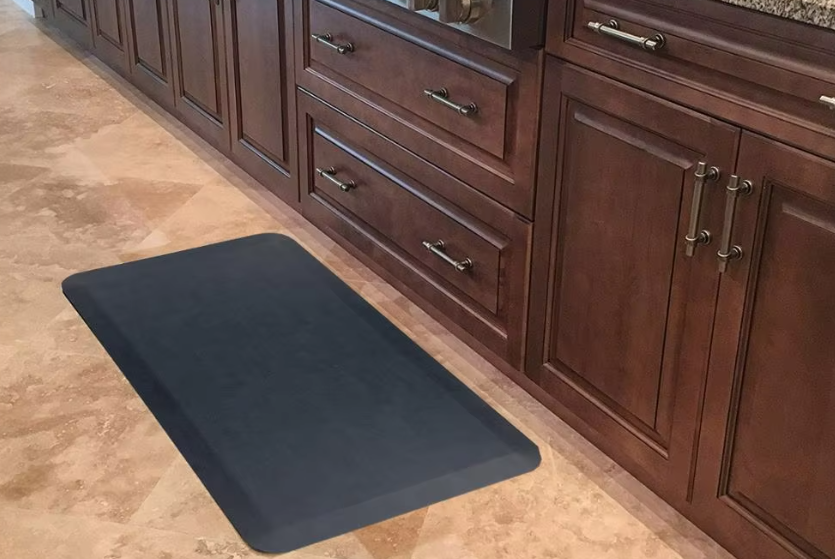
Kitchen mats with non-slip backing are essential for covering a potentially hazardous area in the home, especially where floors face unpredictable splashes, spills, and the general mess of cooking and cleaning. While these mats provide cushioning and comfort underfoot, their core value hinges on the backing. Without it, a mat is not only ineffective but can become a serious safety risk. This non-slip feature is a critical design element, something that dedicated manufacturers, like Dotcom with 17 years of experience in custom mats, understand is fundamental to a product's real-world performance.
A sliding mat is more than an annoyance; it's a genuine tripping hazard. This risk is amplified in homes with children or elderly individuals. High-quality non-slip backing transforms a simple mat into a stable, protective surface that safeguards you, your family, and your floors. It's a foundational investment in everyday kitchen safety.
The Primary Purpose: Stopping Slipping and Falling
This is the most crucial and obvious reason. Water, soap, and oils are constant presences near the sink. When these liquids meet smooth flooring surfaces like tile, vinyl, or hardwood, they create a significant slipping hazard. Placing an ordinary rug or a mat with a standard backing in this wet zone offers little security.
Authentic non-slip backing is engineered to grip the floor tenaciously, even when wet. Made from materials like natural rubber, PVC, or TPE, it features a textured pattern or thousands of microscopic suction cups. This design maximizes surface contact and friction with your floor. When you step onto the mat, your weight activates this grip, sealing it in place. This specifically prevents the mat from sliding out from under you if you step on its edge. For manufacturers, ensuring this grip is both strong and gentle on various floor finishes is a key part of the design process, creating safety for the heart of your home.
Providing Ergonomic Support and Comfort
A secure non-slip backing also directly contributes to the ergonomic benefits of a kitchen mat. A mat that stays flat and stable provides a consistent, cushioned platform for your feet, legs, and back.
This stability allows the primary cushioning layer—whether memory foam, a thick pile, or a supportive ribbed design—to work effectively, offering pressure relief and support. In contrast, a mat that slides or wrinkles forces your muscles to constantly make micro-adjustments to maintain balance, leading to quicker fatigue and discomfort. A mat that stays firmly in place lets you focus on cooking and cleaning, not on stabilizing yourself. Achieving this requires quality construction where a well-bonded, non-slip backing ensures the mat functions as a single, stable unit.
Protecting Your Floors from Damage
A loose, sliding mat isn't just a safety issue; it can also damage your flooring. As it moves, a sliding mat acts like fine sandpaper, gradually scuffing and scratching the finishes of hardwood, laminate, or polished tile.
A high-quality non-slip backing is designed to be effective yet gentle. Premium natural rubber, for instance, provides a strong hold without being adhesive. It grips the floor firmly underfoot but can be lifted easily without leaving a sticky residue or harming the floor's finish. For brands and manufacturers committed to customer satisfaction, this protective quality is a major consideration. The right kitchen mat offers dual protection: safeguarding you from falls and preserving your investment in beautiful flooring. This understanding of dual needs is what guides experienced suppliers in selecting effective, floor-friendly materials.
Ensuring Hygiene and Easy Maintenance
A bunched-up or folded mat creates hidden crevices where crumbs, moisture, and spills can accumulate. These dark, damp pockets become breeding grounds for mold, mildew, and bacteria, creating an unhygienic situation in your food preparation area.
A mat that lies perfectly flat thanks to its non-slip backing eliminates these hiding spots. Spills remain on the surface for easy wiping. Furthermore, a mat that doesn't slide around is much simpler to vacuum or shake out. Many modern non-slip backings are also waterproof or quick-drying, preventing liquids from seeping through to damage the backing or the floor beneath. This makes maintenance straightforward, ensuring your kitchen mat remains a clean and fresh part of your kitchen, not a hidden source of grime.
Choosing the Right Non-Slip Kitchen Mat
Understanding the importance of non-slip backing leads to the next question: how do you choose a good one? Look beyond the label with these tips.
Material is Key
Natural rubber is often considered the gold standard for its excellent grip, durability, and compatibility with most floor types. PVC or TPE backings can also be very effective. Avoid cheap, thin vinyl backings that may crack or lose their grip over time.
Check for Full Coverage
The non-slip material should cover the entire underside of the mat. Partial coverage or a few grip dots will not provide the stability you need.
Consider the Top Layer
The best mats combine a secure backing with a top layer suited for kitchen duty. Look for water-resistant or easily washable materials like microfiber, cotton, or specific polyesters. Low-pile or textured surfaces tend to dry quickly and resist stains better.
The Advantage of Customization
For commercial kitchens, unique spaces, or specific branding needs, working with a custom manufacturer allows you to specify the exact combination of backing and top materials. This ensures optimal performance is built into the product from the start.
In conclusion, a kitchen mat is a small investment that yields significant returns in safety, comfort, and cleanliness. The foundation of all these benefits is a reliable, high-performance non-slip backing. It's the critical detail that separates a mere decorative accessory from a truly functional kitchen essential. Choosing a mat from a supplier that prioritizes this engineering means choosing a safer, more comfortable, and more enjoyable kitchen for everyone.