 EN

First Impressions Begin Before the Door Opens
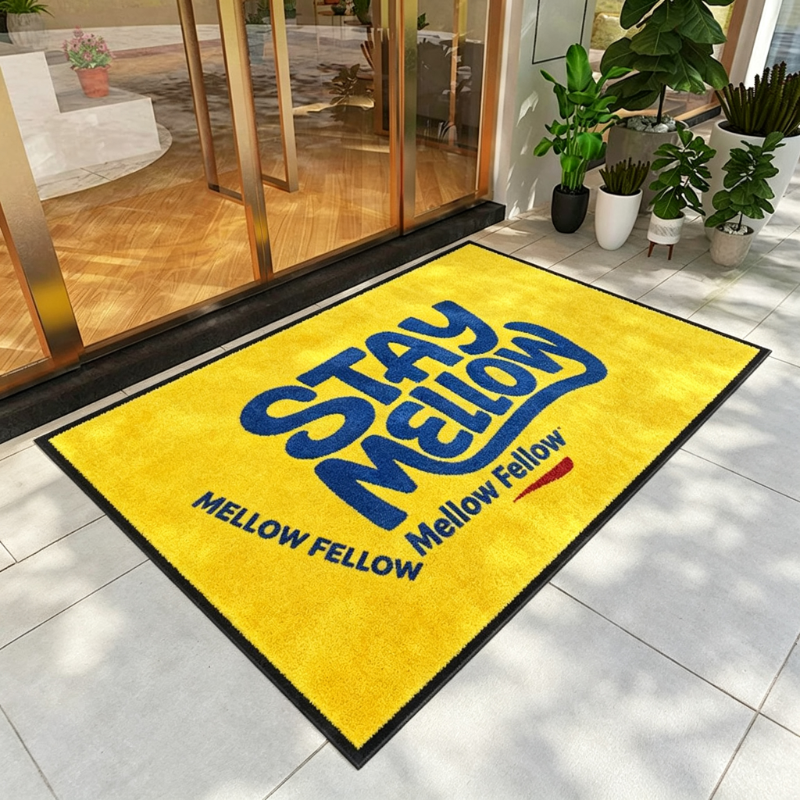
A customer forms an impression long before a conversation starts. The entrance is one of the first physical clues about how a business operates. A clean, well-placed custom door mat with a logo signals that the company cares about details. A worn or misaligned mat can suggest the opposite, even if the interior is spotless.
Custom door mats with logos are not just branding tools. They also manage dirt and moisture at the threshold. That practical function matters because it keeps the entrance safer and cleaner. When the mat does both jobs well, the customer steps inside with a sense of order.
Cleanliness and Order as Brand Signals
A dirty entrance mat sends a message that no amount of interior design can fully correct. Customers notice the floor they walk on, especially when it is wet or littered with debris. A mat with a clear logo gives the brand a chance to show consistency. If the logo is crisp and the surface is clean, the business looks organized.
This effect is strongest in service businesses where customers wait briefly at the door. Retail stores, salons, clinics, and small offices all benefit from that first visual cue. The mat does not need to be elaborate. It just needs to be clean, flat, and positioned where people actually step.
Logo Placement That Reads in Seconds
Entrance mats are seen from above and at an angle. A logo placed in the center may be partly covered by foot traffic or a second door mat. A repeating pattern across the mat keeps the brand visible from different angles. That approach works especially well in wide entryways.
The design should stay readable from standing height. Thin outlines, script fonts, and low-contrast colors often turn muddy when viewed from above. A simpler mark with enough spacing around it reads faster. The best entrance mats deliver the brand message in a glance, not in a long look.
Materials That Keep the Message Looking Sharp
Custom door mats come in several material types, and the choice affects how the logo holds up. Rubber, nylon, and printed polyester are common options. Rubber offers strong scraping action and stays put on wet floors. Nylon has a more carpet-like appearance and can hold detailed prints. Printed polyester suits indoor or sheltered entrances where dirt load is lower.
|
Material |
Logo Durability |
Scraping Ability |
Moisture Handling |
Best Location |
|
Rubber |
Good |
High |
High |
Outdoor, high dirt |
|
Nylon |
Very good |
Medium |
Medium |
Covered entry |
|
Printed polyester |
Moderate |
Low |
Medium |
Indoor lobby |
The table shows that no single material works for every entrance. A restaurant with a busy patio door may need rubber, while a boutique may prefer a softer nylon look.
Indoor Versus Outdoor Expectations
Outdoor mats face more sun, rain, and grit than indoor mats. They need a backing that grips the ground and a surface that removes debris quickly. Indoor mats can focus more on appearance and underfoot comfort. Using the wrong type in the wrong location leads to rapid fading, curling, or slipping.
In one retail renovation, the front entrance used a printed polyester mat that looked sharp for the first few weeks. Heavy foot traffic and moisture from the street caused the edge to curl and the print to dull. After switching to a rubber mat with a recessed logo area, the entrance stayed cleaner and the brand mark remained visible through the rainy season.
Turning a Functional Mat Into a Brand Asset
A custom door mat works best when it is treated as part of the brand system, not as a separate purchase. The logo, color, and mat size should match the signage and interior palette. When that alignment exists, the entrance feels intentional. Customers may not consciously notice the mat, but they absorb the consistency.
The mat also needs to stay in serviceable condition. A simple rotation schedule can extend its useful life, especially in businesses with multiple entrances. Replacing a mat before it becomes heavily stained keeps the customer impression positive. Dotcom’s custom door mat programs help businesses coordinate these details across multiple locations.